

Treatments

Every plan starts with the treatments that have the strongest evidence, then adds support for your nervous system, airway, hormones and gut where it helps.

Treatment

What we offer, strongest evidence first

Hand writing a plan on paper
First line · strong evidence

Core treatments

  • CBT-I, cognitive behavioural therapy for insomnia, the first treatment NICE recommends for long-term insomnia
  • Sleep scheduling and sleep hygiene
  • CPAP or a mandibular advancement device for sleep apnoea
  • Weight loss advice with a personalised plan, which reduces snoring and apnoea severity
  • Iron replacement for restless legs when ferritin is low
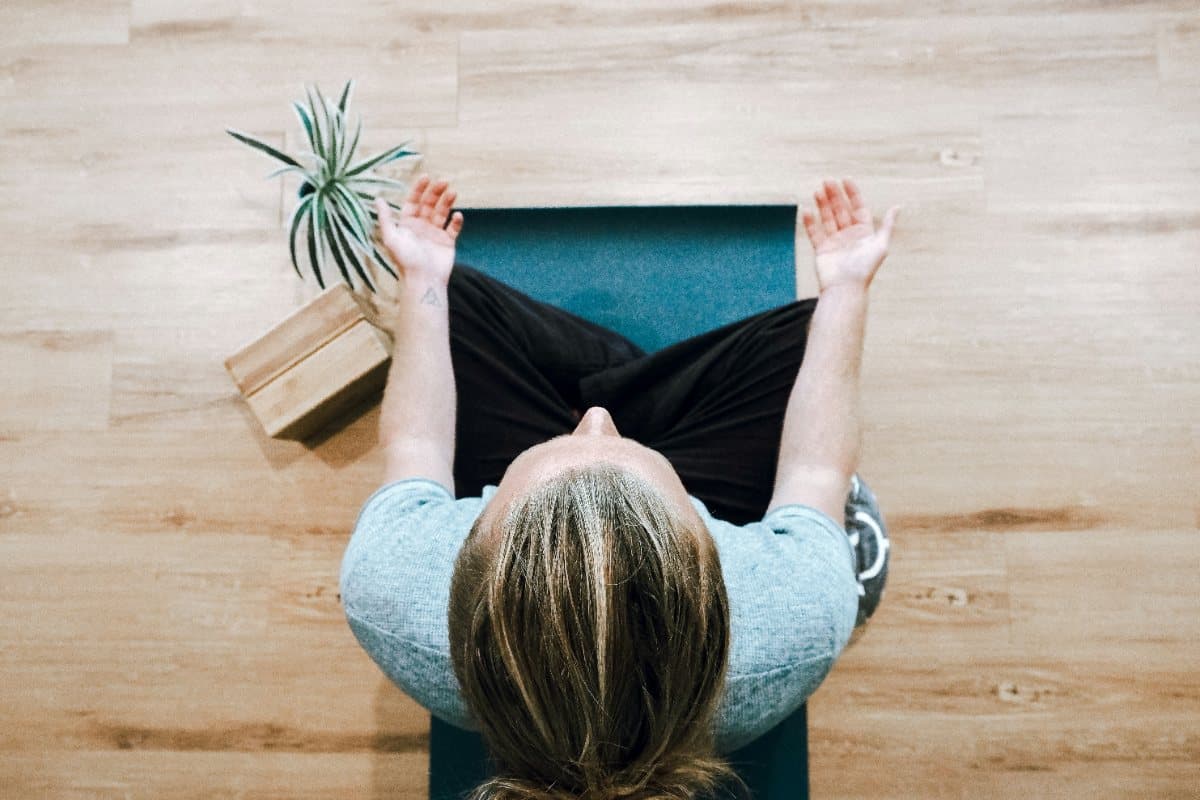
Person seated cross-legged on a yoga mat, seen from above
Moderate evidence

Breathing and airway

  • Mouth breathing advice: nasal breathing habits, nasal care and checks for blockage, with ENT referral where needed
  • Myofunctional therapy: exercises for the tongue, mouth and throat that can reduce snoring and mild to moderate apnoea
  • Breathwork: slow, nasal and diaphragmatic breathing to calm the nervous system before bed
  • Dental airway treatment: mandibular advancement devices for adults; palate expansion and orthodontics for children
Supplement capsules scattered on a pale surface
Supportive · weaker evidence

Additional support

  • Magnesium, glycine, L-theanine and other supplements
  • Gut health support through diet, fibre and probiotics
  • Light therapy for body-clock timing
  • Yoga nidra and relaxation practices
  • Mouth taping for adults only, after sleep apnoea has been ruled out

Calming the nervous system

Breathwork, vagus nerve care and resilience

Many people cannot sleep because their nervous system is stuck in alert mode. These approaches help switch the body into its rest and repair state. They work best alongside the core treatments above.

Moderate evidence

Breathwork

  • Slow breathing at around six breaths a minute calms the stress response
  • Longer out-breaths than in-breaths activate the body's relaxation system
  • Nasal and diaphragmatic breathing, practised daily and before bed
  • Taught one to one, with simple routines to use at home
Moderate evidence

Vagus nerve work

  • The vagus nerve is the main nerve of the rest and digest system
  • Heart rate variability (HRV) shows how well it is working, and wearables can track it
  • HRV biofeedback trains the body to recover from stress and can ease anxiety
  • Simple daily practices include slow exhaling, humming and relaxation techniques
Emerging evidence

Vagal stimulation devices

  • Small devices that gently stimulate a branch of the vagus nerve through the ear
  • Early studies suggest benefits for sleep, stress and anxiety
  • Not yet a standard sleep treatment, so we offer them as an add-on where appropriate
  • Not suitable for everyone, including some people with heart conditions or implanted devices
Emerging to moderate evidence

Adaptogens

  • Plant extracts thought to help the body adapt to stress
  • Ashwagandha has the most research, with small trials showing modest improvements in sleep quality and stress
  • Others, such as rhodiola and holy basil, have more limited evidence
  • Not suitable in pregnancy, and they need checking with thyroid, liver or autoimmune conditions and with other medicines
  • Always reviewed by our clinicians, given our long experience in supplementation
Strong to emerging evidence

Hormesis

Small, controlled stresses that make the body stronger and more resilient.

  • Regular exercise: one of the best-proven ways to improve sleep (strong evidence)
  • Warm bath or shower one to two hours before bed helps you fall asleep faster (moderate evidence)
  • Sauna and heat exposure: linked to better sleep and recovery (emerging evidence)
  • Cold exposure: best in the morning, as late cold exposure can be stimulating (emerging evidence)

Medication

Sleep medication: used carefully, reviewed regularly

Medication is never our first step. If your doctor feels it would help, it is considered only after a full consultation, used for the shortest time needed, and always alongside CBT-I and lifestyle treatment.

How sleep medicines work

Turning down the wake signal

Newer medicines block orexin, a brain messenger that keeps you alert. This quietens the brain's wake system rather than sedating the whole brain.

Boosting the brain's calming system

Older medicines strengthen GABA, the brain's main calming messenger. They work quickly, but the body adapts to them, so they can lose effect and cause dependence if used for long.

Resetting the body clock

Melatonin is the hormone that tells your body it is night. Prescribed forms can help when the body clock is out of step, such as in some older adults and some children under specialist care.

Blocking a wakefulness messenger

Some medicines block histamine, another chemical that keeps the brain awake. They often cause next-day grogginess and are not suitable for regular use.

Your review schedule

  1. Before starting

    Sleep apnoea ruled out, other medicines checked, and driving, pregnancy and falls risk discussed.

  2. 2 to 4 weeks

    Is it working? Any side effects or next-day drowsiness? Many people can stop at this point.

  3. Every 3 months at most

    Continue, reduce or stop, guided by your night-by-night Empower sleep data.

  4. Planned step-down

    Medication is reduced gradually, with CBT-I support, so that good sleep lasts without it.

Safety with any sleep medicine: do not drive or operate machinery if you feel drowsy, avoid alcohol, and tell us if you are pregnant, breastfeeding, have breathing problems or take other sedating medicines. Older adults have a higher risk of falls.

Contact and booking

Book a sleep consultation

Face-to-face in London Mayfair, The HVN Knightsbridge, Guildford and Esher, in collaboration with FIT Partnership Esher and The Wellness Lab Knightsbridge, or remotely by video.